Unlocking Success: Essential Strategies for PPC Campaign Optimization
I'm Jimmy Bearden — founder of Zenogram, AI educator, digital marketing strategist, and builder of tools that help local and online businesses scale smarter. From teaching WordPress to hosting AI business events, I mix tech with creativity to make money move. Based in Hoover, AL, but I play global. Let's build something bold.
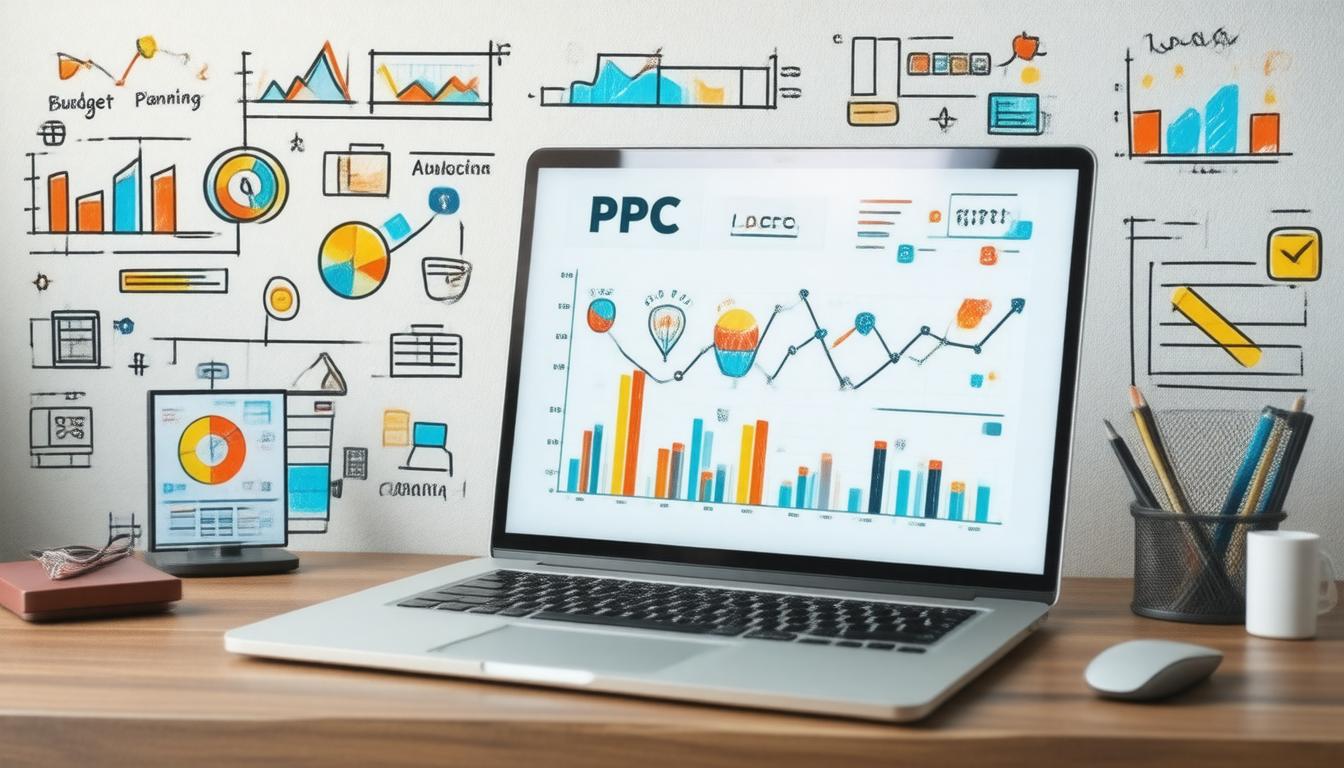
In today’s competitive digital landscape, Pay-Per-Click (PPC) advertising offers a powerful way for businesses to gain visibility and drive traffic. However, the effectiveness of a PPC campaign is not just about launching ads; it's about continuous optimization. This article will explore essential strategies for PPC campaign optimization that can help maximize your return on investment (ROI) and convert leads into customers.
Understanding PPC Campaign Optimization
PPC optimization refers to the process of analyzing and refining various elements of your PPC campaigns to enhance performance. This includes adjusting keywords, improving ad copy, optimizing landing pages, and targeting the right audience. By optimizing these components, businesses can achieve higher click-through rates (CTR), reduced costs per click (CPC), and ultimately improved conversion rates.
Key Strategies for Optimizing Your PPC Campaign
Here are essential strategies to enhance the performance of your PPC campaigns:
1. Conduct Thorough Keyword Research
Keyword research is fundamental to PPC success. Start by identifying both broad and long-tail keywords relevant to your business. While broad keywords may attract high traffic, long-tail keywords often lead to better conversions due to their specificity. Use tools like Google Ads Keyword Planner to find high-volume, low-competition keywords, and remember to regularly update your keyword list based on performance metrics.
2. Utilize Negative Keywords Strategically
Implementing negative keywords is crucial in filtering out irrelevant traffic. By excluding terms that might seem related but don't convert, you can focus your budget on attracting the right audience. For example, a software company might use “free” as a negative keyword to avoid clicks from users looking for no-cost solutions, thereby increasing the quality of their leads.
3. Optimize Ad Text and Design
Your ad’s text and design play a significant role in attracting clicks. Use compelling headlines, clear value propositions, and strong calls to action (CTAs) to entice potential customers. Consider A/B testing different ad versions to determine which messages resonate best with your audience. Additionally, ensure your ads are visually appealing and align with the overall branding of your business.
4. Improve Landing Page Experience
Once users click on your ad, they should land on a page that meets their expectations. Optimize your landing pages to ensure they are relevant to the ad content and designed to lead visitors towards conversion. This can include simplifying forms, ensuring fast load times, and providing clear navigation. A well-optimized landing page can significantly improve your conversion rates.
5. Leverage Demographic Targeting
PPC platforms, particularly Google Ads, offer detailed demographic targeting options. Use these features to reach specific audience segments based on age, gender, location, and interests. Tailoring your ads for particular demographics can lead to higher engagement and conversion rates, as they allow businesses to present their products to the most relevant audiences.
6. Monitor and Adjust Bids
Establishing the right bidding strategy is key to optimizing your PPC campaigns. Use automated bidding options or adjust bids based on performance parameters such as conversion rates and cost per acquisition (CPA). For instance, increasing bids for keywords that are performing well can further enhance visibility and clicks. Conversely, reduce or pause bids on low-performing keywords to recapture wasted spend.
7. Track and Analyze Campaign Performance
Regular analysis of your campaign performance is essential for ongoing optimization. Use analytics tools to monitor key performance indicators (KPIs) such as CTR, conversion rate, and ROI. Understanding how ads perform will guide your optimization efforts and help in identifying areas for improvement. Be prepared to pivot your strategy based on data-driven insights.
Conclusion
Optimizing your PPC campaigns is a continuous journey, pivotal for businesses aiming to drive high-quality traffic and achieve tangible results. By employing systematic strategies such as effective keyword research, demographic targeting, and performance tracking, you can unlock the full potential of your PPC advertising efforts. In a landscape where every click counts, the right optimization techniques can ensure that your marketing dollars are spent wisely, leading to increased engagement and sales.